urban view
Atelierhof Kreuzberg Berlin
Anthroposzenische Landschaften
Photo wallpaper produced using digital printing
2012 / 2024
Größe: 2,50 x 4 m

Participating artists:
Gleb Bas, Norbert Bauer, Thomas Behling, Roland Boden, Gunnar Borbe, Margit Busch, Andreas Helfer, Manfred Kirschner, Andreas Koch, Ruppe Koselleck, Patricia Lambertus, Anna Lerchbaumer, Julia Münstermann, Jürgen O. Olbrich, Nicole Schuck, Anna Staffel, Annette Stemmann, Frans van Tartwijk, Ralf Tekaat, Florian Tuercke, Michael Wendt, Sabine Wewer

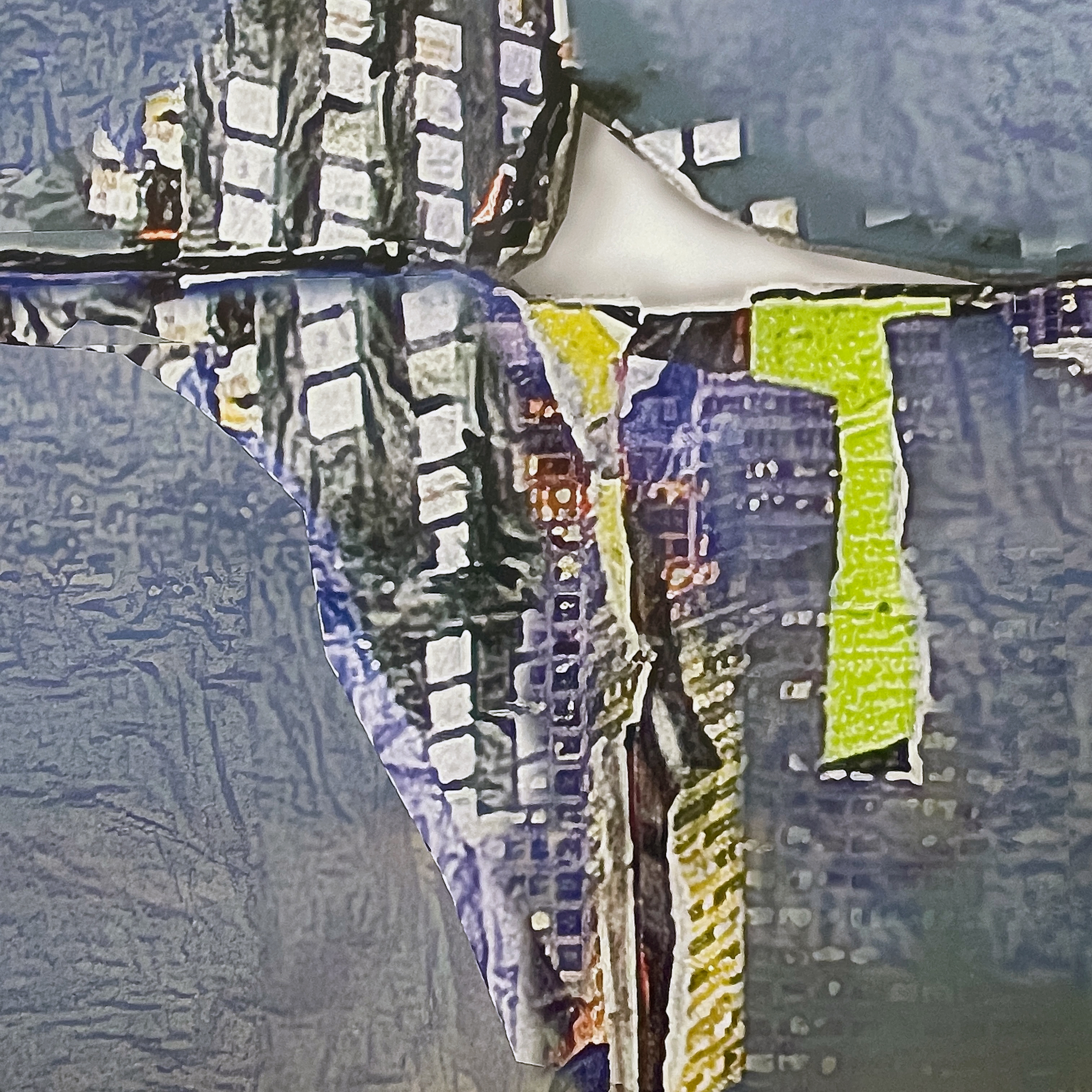

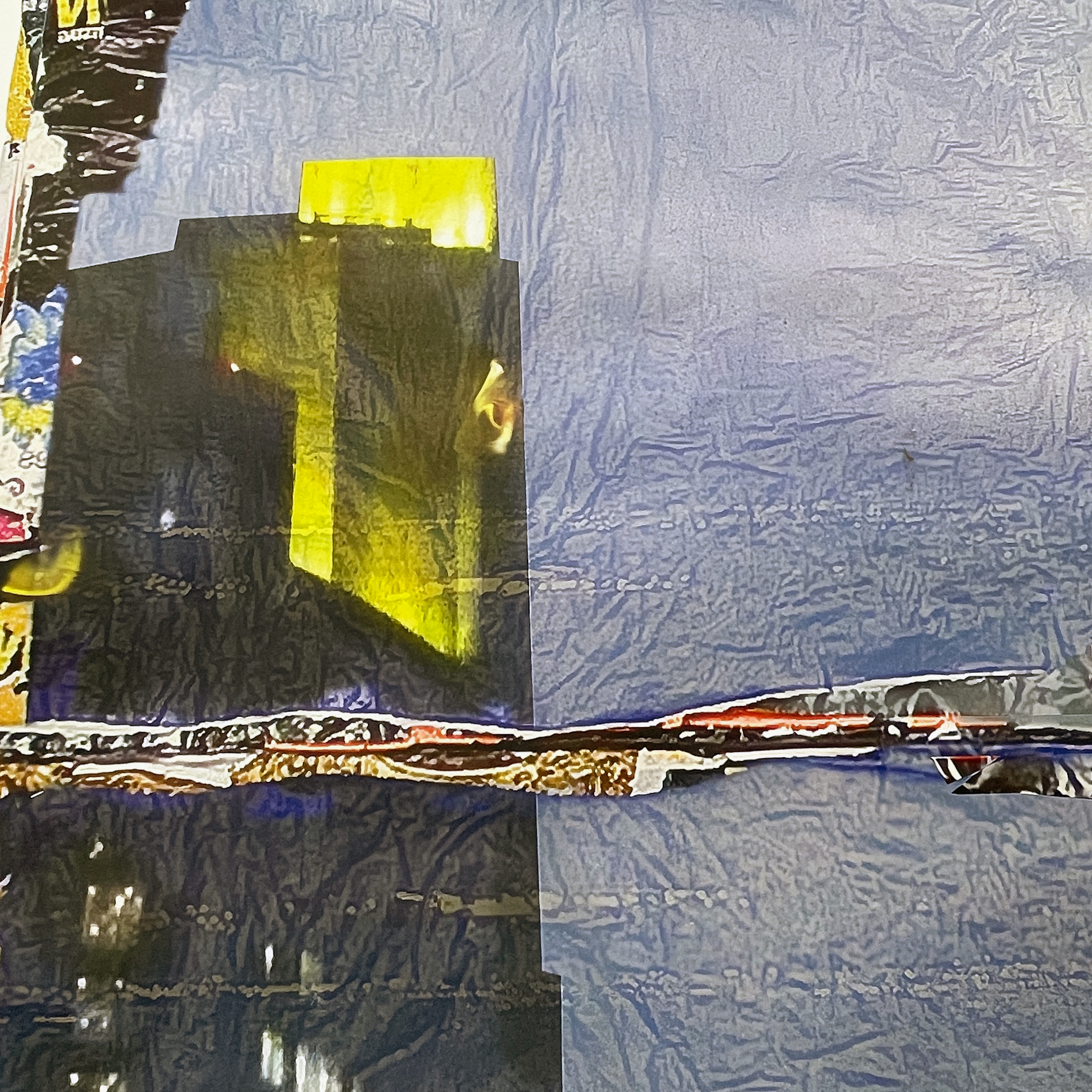
Classical Romantic landscapes are often pristine. In the paintings of the American Hudson River School of Painters, or in many paintings by Caspar David Friedrich, nature is the primary subject, and humankind is either absent or only marginally present. Humans are merely a tiny part of the universe—and of the painting—and nature is an immeasurable force to which humankind must submit. For a 19th-century American artist, the amount of untouched and unexplored nature was indeed immense, and even 19th-century European artists could wander through beautiful and mostly deserted forests and mountain regions. The Romantic dream of nature remains very much alive. However, the landscapes we mostly travel to and inhabit are cities and rural areas almost entirely shaped by human activity. In the so-called Anthropocene, nature is no longer all-powerful, and humankind has become the main actor and disruptive force on the planet. When we read a magazine like National Geographic, most of us are still fascinated by the perfectly reproduced photographs of natural landscapes in distant parts of the world, but anyone who actually wants to visit these areas has to spend many hours on a plane, only to discover upon arrival that they are not alone. The landscapes we mostly travel to and live in, however, are cities and rural areas almost entirely shaped by human activity. In the so-called Anthropocene, nature is no longer all-powerful, and humankind has become the main actor and disruptive force on the planet.